

Why the Dental Vacuum Pump Matters in Your Workflow
As a dental technician, your ability to craft precise, high-quality prosthetics begins with the quality of the impressions or digital scans you receive from the dental office. While your focus is on the laboratory side of fabrication, it’s important to understand the tools that dentists rely on to provide you with accurate materials. One such tool is the dental vacuum pump—an essential device used exclusively in the dental office to create the ideal conditions for taking impressions.
For dental technician, this means that the efficiency and accuracy of the dental vacuum pump directly impact the quality of the models and restorations you create. Let’s explore how this tool ensures that dentists can capture the fine details of tooth structure and anatomy, setting you up for success in the lab.
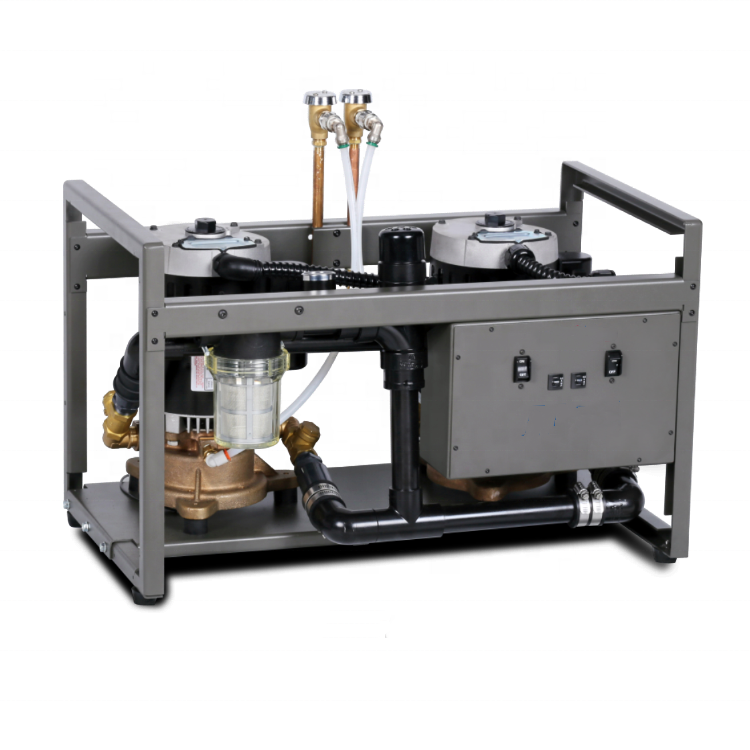
The Role of the Dental Vacuum Pump in the Dental Office
1. Creating a Dry Environment for Impressions
The primary function of the dental vacuum pump in the dental office is to suction saliva, blood, and debris from the patient’s mouth. This creates a dry environment, which is critical for several reasons:
- Accurate Impressions: Moisture can distort impression materials like alginate or silicone, leading to inaccuracies in the final model. By removing saliva and blood, the dental vacuum pump ensures that the impression captures every detail of the tooth structure and surrounding tissues.
- Improved Patient Comfort: A dry field allows the dentist to work more efficiently, reducing the time the patient needs to keep their mouth open. This minimizes discomfort and the risk of movement, which could compromise the impression.
2. Enhancing Visibility for Digital Scans
In modern dental offices, intraoral scanners are increasingly used to capture digital STL files for CAD/CAM workflows. Even in this digital process, the dental vacuum pump plays a vital role:
- Clear Scanning Environment: Saliva or debris can interfere with the scanner’s ability to capture accurate images. The vacuum pump ensures a clean, dry field, allowing the scanner to produce high-quality STL files that reflect the true anatomy of the patient’s teeth.
- Reducing Artifacts: Moisture or particles can create artifacts in digital scans, leading to inaccuracies in the final model. Proper suction minimizes these issues, ensuring that the digital file you receive is precise and reliable.
How the Dental Vacuum Pump Impacts Your Work in the Lab
While the dental vacuum pump is used exclusively in the dental office, its impact extends directly to your work as a dental technician:
- Better Impressions, Better Models: When dentists use the dental vacuum pump effectively, the impressions they send to your lab are more accurate and free of defects. This means you can pour models that faithfully replicate the patient’s oral anatomy, reducing the need for adjustments or remakes.
- Fewer Errors in Digital Workflows: For labs that work with STL files, a clean and accurate digital scan ensures that your CAD/CAM designs match the patient’s anatomy precisely. This reduces discrepancies and improves the fit and aesthetics of the final restoration.
- Efficiency and Consistency: Accurate impressions and scans allow you to work more efficiently, knowing that the materials you receive are reliable. This consistency is key to producing high-quality prosthetics that meet both functional and aesthetic standards.
The Connection Between Clinical Precision and Laboratory Success
As a dental technician, you know that the success of a prosthetic restoration depends on the collaboration between the dentist and the lab. The dental vacuum pump is a perfect example of how clinical tools can influence your work:
- Tooth Structure and Anatomy: The vacuum pump ensures that the impressions or scans you receive capture the fine details of the tooth structure—such as marginal lines, occlusal surfaces, and soft tissue contours. This level of detail is essential for creating restorations that fit well and look natural.
- Aesthetics and Function: Whether you’re fabricating a crown, bridge, or denture, the accuracy of the initial impression or scan directly impacts the final result. A well-maintained dental vacuum pump in the dental office helps you achieve restorations that are not only functional but also aesthetically pleasing.
Practical Tips for Dental Technicians
- Communicate with Dentists: If you notice recurring issues with impressions or scans, consider discussing the importance of proper suction techniques with the dental office. A well-maintained dental vacuum pump can significantly improve the quality of the materials you receive.
- Educate Yourself on Clinical Tools: Understanding how tools like the dental vacuum pump work in the dental office can help you appreciate the challenges dentists face. This knowledge can also help you troubleshoot issues that arise from imperfect impressions or scans.
- Optimize Your Workflow: Use the accurate impressions or scans you receive to your advantage. For example, take the time to pour models carefully or verify digital files before beginning fabrication. This attention to detail will pay off in the quality of your final restorations.
Conclusion: A Small Tool with a Big Impact on Your Work
While the dental vacuum pump is used exclusively in the dental office, its role is indispensable to your work as a dental technician. By ensuring that dentists can take accurate impressions and digital scans, this tool sets the foundation for the precise, high-quality restorations you create in the lab.
For dental technicians, understanding the importance of the vacuum pump reinforces the connection between clinical dentistry and laboratory craftsmanship. It’s a reminder that every step in the process—from the dental office to your lab—plays a critical role in delivering the best possible outcomes for patients. By recognizing the value of tools like the vacuum pump, you can continue to elevate your skills and contribute to the success of the dental team.